Food safety & food policy
Food safety and food policy, explained
Key points
- FDA, USDA and EPA share roles in engineered-food and crop regulation.
- WHO describes food safety across hazards and stages of the food chain.
- Codex provides international standards and guidance rather than independent domestic regulatory authority.
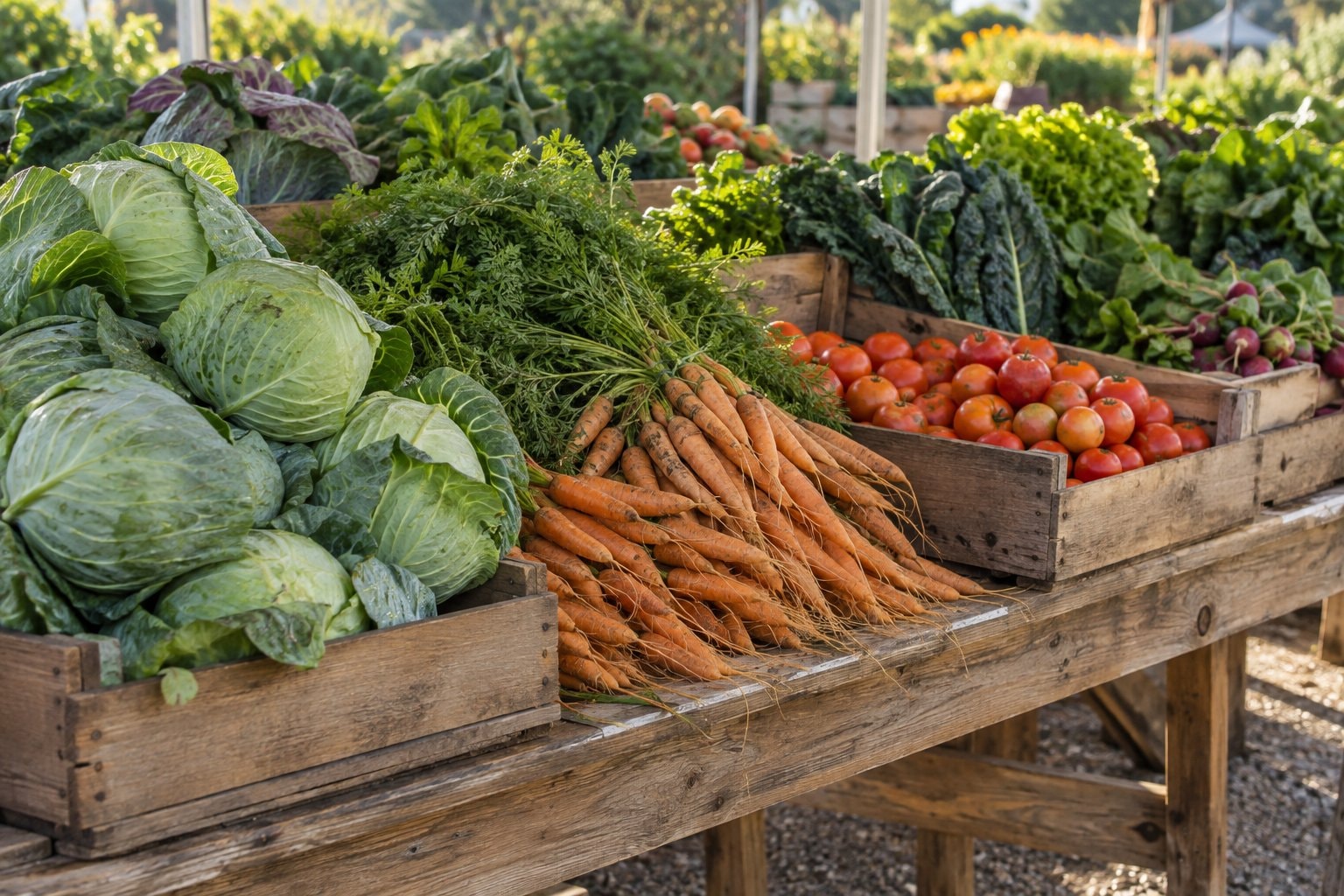
Plate & Policy is an independent, neutral reference on food safety and U.S. food policy. It explains how food questions become questions about evidence, farming practices, agency responsibilities and legal rules. The intended readers include students, journalists, farmers, cooks and people who want to understand a topic before following an argument about it. Pages name the source of a conclusion, explain the question it answers and retain the qualifications that matter to interpreting it.
Food questions and policy questions
A discussion about food can concern an organism in a field, an ingredient in a factory, a farming method, a contaminant, a label or a public rule. These subjects meet in food policy, but the evidence used to describe them can differ. A laboratory result, an agency decision and a production-label requirement are different kinds of information. This reference makes those differences explicit so that a statement about one does not quietly become a claim about another.
The guide to U.S. food regulators is a starting point for understanding responsibilities. The FDA's explanation of GMO regulation describes how FDA, USDA and EPA work together while addressing different parts of engineered-food and crop review. It places human and animal food, plant health and pesticidal substances within that account. The reference uses such descriptions to identify the body making a decision and the part of production being reviewed.
Illness, prevention and the food chain
The World Health Organization's food-safety fact sheet discusses bacterial, viral, parasitic, prion and chemical hazards. It frames food safety as a responsibility shared across national authorities and the stages of the food chain. That scope is wider than a single technology or a single food. It also explains why prevention can be discussed at production and processing stages as well as where food is handled.
The foodborne-illness page reports agency information on germs, source estimates and general precautions. Other pages explain preventive food law and irradiation. Practical food-handling information is attributed to the agency giving it. These pages provide general background; they are not a symptom checker, an individualized assessment or a set of instructions for choosing a diet.
Technology, animals and farming
The engineered-foods hub introduces crop and animal engineering, review, labeling and documented incidents. Related topics cover food from cloned animals, organic standards and food additives. The reference distinguishes a change to an organism from a processing method or a label standard. It reports what official and scientific bodies concluded and what reference sources say critics have argued, while keeping those positions attributed.
The animal and farming pages cover dairy hormones, hormones in beef cattle, protein digestion, antibiotics, BSE and fish farming. Land, water and climate pages address pesticide residues, biosolids and agricultural emissions. A shared farming context does not make these questions identical. The pages identify the relevant substance, process or policy and the specific evidence discussed, then connect related subjects through links in the text.
International standards and different decisions
Wikipedia's Codex Alimentarius article describes internationally recognized food standards and guidance developed through the FAO and WHO framework. It explains that Codex is a reference rather than an independent regulator with enforceable authority of its own. This distinction helps separate international standards, scientific advice and domestic legal requirements. Pages comparing U.S. and European decisions preserve the scope of each body's role.
How to read the reference
The page on reading food-risk claims explains hazard, exposure and assessment vocabulary. Across the reference, a finding is presented as a finding from a named source, rather than as the site's own safety verdict. Figures appear with the source and context that give them meaning. Study methods and limits remain part of the explanation, particularly when an animal experiment, a retail survey and a review address different questions.
The topic groups below offer routes through the material. Food safety begins with illness, prevention and the regulatory system. Engineered foods follows review, traits, labels and incidents. Farms and animals brings together production and biology. Land, water and climate connects farming with environmental-policy questions. Reference pages provide a timeline, reading list, glossary, site index and a description of the writing approach.
Explore the topics
Food safety
Foodborne illness
Agency information on foodborne hazards, burden estimates and handling.
Food Safety Modernization Act
Prevention rules for facilities, farms and the food supply chain.
Food additives and GRAS
Legal categories, expert recognition and the ingredient-review debate.
Food irradiation
Processing methods, Radura labels and the reported debate.
Who regulates food
A map of the agencies, laws and standards behind food oversight.
How food rules are made
The sequence from a proposal to a final rule, and the role of petitions.
Reading risk claims
Hazard, exposure, uncertainty and the questions behind a conclusion.
Engineered foods
Engineered foods explained
Crop traits, agency reviews and the questions behind the debate.
Engineered crops
Bt, herbicide tolerance and the field questions around crop traits.
Engineered-food labeling
What bioengineered disclosure says, and how labeling systems differ.
Unapproved crop incidents
Documented detections, agency responses and crop containment.
Engineered fish
An animal application, land-based containment and labeling disputes.
Food from cloned animals
Nuclear transfer, livestock offspring and the FDA food assessment.
Food and farming in court
Patents, environmental review and the limits of court remedies.
Farms & animals
rbST in dairy cows
Dairy hormones, milk-label wording and contrasting regulatory decisions.
Hormones in beef cattle
Steroid hormones, residue assessment and different U.S. and European rules.
Hormones and digestion
Protein digestion, peptide absorption and the biology behind food-hormone questions.
Antibiotics in food animals
Livestock uses, resistant microbes and the move to veterinary oversight.
BSE and feed rules
The prion disease, rendered feed and the structure of FDA restrictions.
Fish farming
Water-based farming methods, NOAA's role and questions about net pens.
Organic standards
The production standard, certification and package categories.
Land, water & climate
Reference
Timeline
Dated milestones in food law, technology, agency review, and research.
Further reading
Annotated agency pages, legal texts, research records, and reference articles.
Glossary
Definitions that connect regulation, farming, evidence and biology.
Site index
Every topic page, grouped and described.
About Plate & Policy
The reference's purpose, source approach and organization.